
The CS-DCC is Hiring: RDM Catalogue and Curation Lead at the University of Guelph

The University of Guelph team within the Climate-Smart Data Collaboration Centre (CS-DCC) is seeking an RDM Catalogue and Curation Lead to join a collaborative research and development environment.
[Research Roundup] Using Genetics to Reduce Dairy Cattle Emissions by NDGP
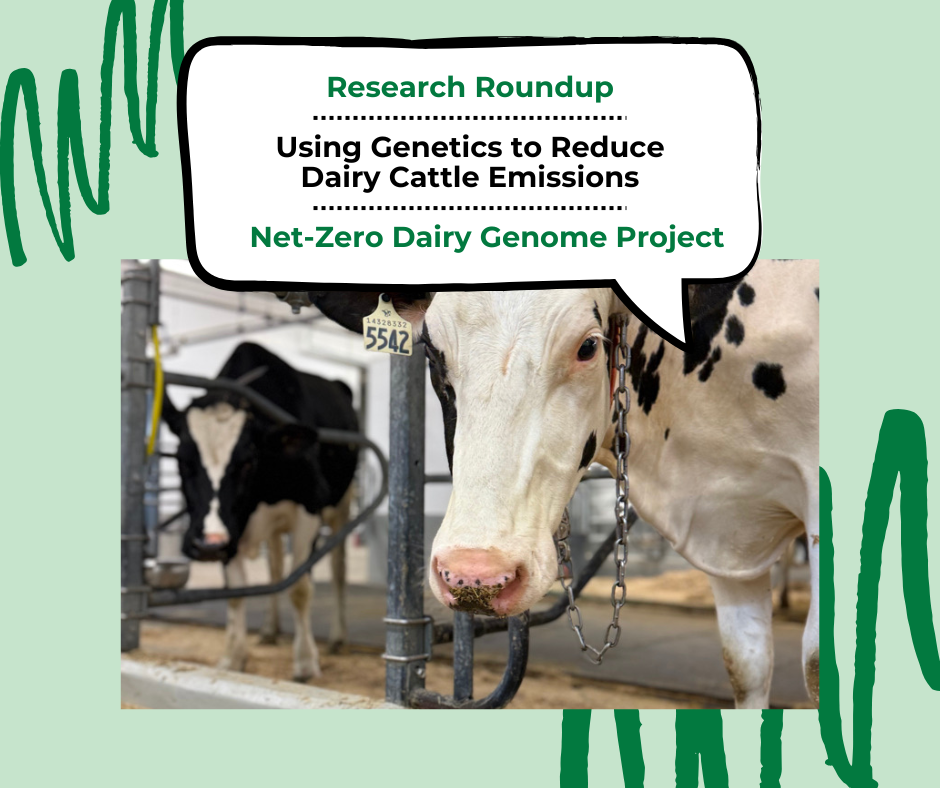
This study by the Net-Zero Dairy Genome Project (NDGP) team explored how adding a methane-specific trait to dairy cattle selection indexes can help meaningfully reduce greenhouse gas emissions. The researchers assessed the potential environmental benefits and farm-level profitability impacts of this approach within the Canadian context. Keywords Dairy Cattle Greenhouse Gas (GHG) Methane (CH4) Selective breeding (Selection) Click to view this visual […]
[Research Roundup] Rethinking Arbuscular Mycorrhizal (AM) Fungal Classification by BENEFIT
A BENEFIT team researcher took part in this study to explore why only about 370 species of Arbuscular mycorrhizal (AM) fungi in the Glomeromycotina subphylum have been formally identified despite their long evolutionary history. This is a surprisingly small number compared with the nearly 82,000 species described in the Pezizomycotina subphylum. Here, the researchers point […]
[Research Roundup] Closing the Gap Between 3D Models and Real Tissues by Omics4CMeat
This study by Team Omics4CMeat focuses on creating a more realistic lab model (“in vitro model”) for forming 3D tubular tissue barriers that support fluid flow. Closely mimicking the behavior of real tissues, this simple yet scalable method holds strong potential for studying diseases, testing drugs, and advancing tissue engineering. Keywords 3D tissue barrier model Cell migration In […]
[Research Roundup] Breeding Saponin-Free Peas Through Gene Editing by PeaCE
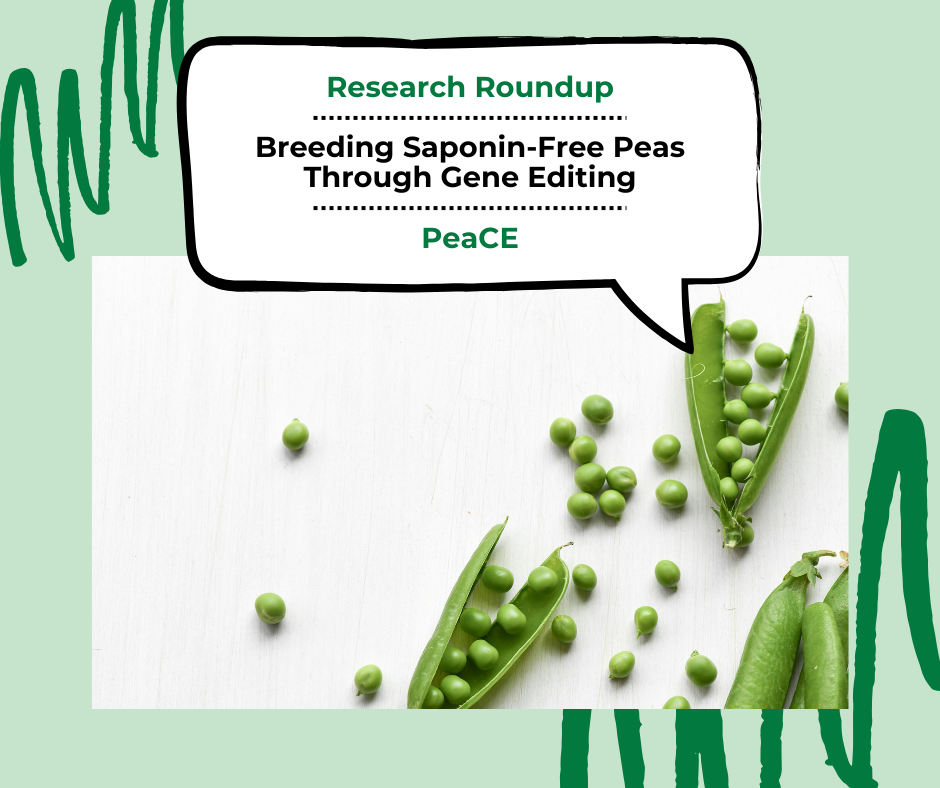
Dry pea seeds are rich in plant protein and dietary fibre, but their use in foods is limited by the bitter saponins they contain. In this study, researchers, including a member of the PeaCE team, use a CRISPR gene editing technology to develop saponin‑free peas. Keywords CRISPR/Cas9 Dry peas Gene editing / Genome editing Saponin Click to view this visual abstract as […]
[Research Roundup] Introducing a New Structural Variant Database for Holstein Cattle by NDGP
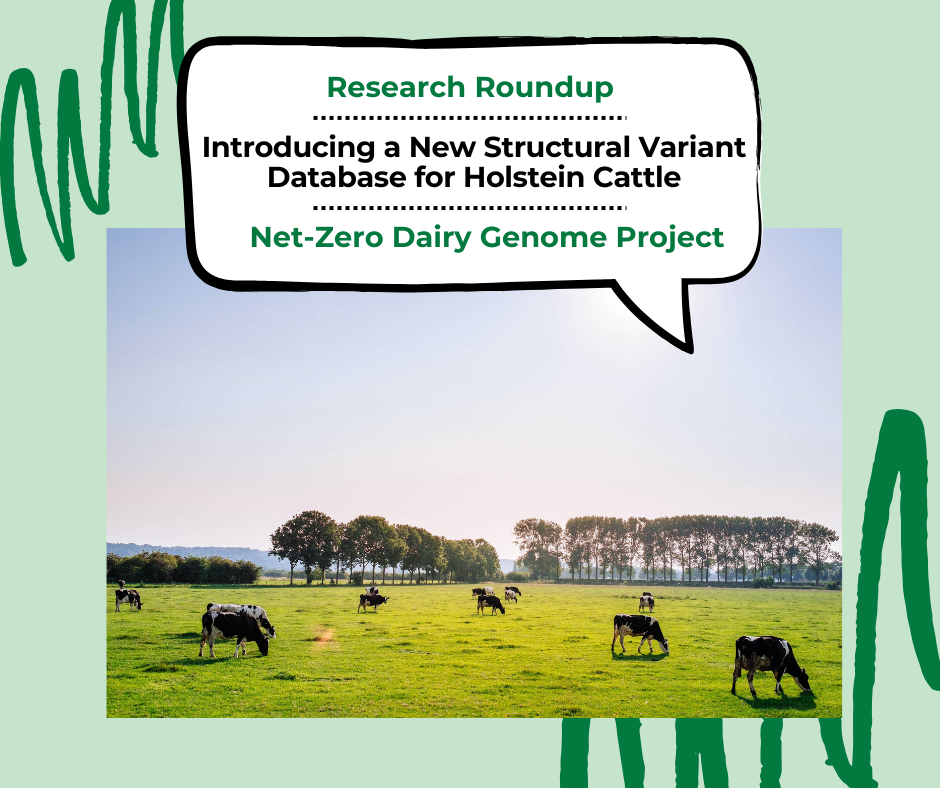
This study by the Net-Zero Dairy Genome Project (NDGP) team used whole-genome sequencing of Holstein cattle to identify and characterize thousands of structural variants (SVs) across the genome. The researchers then developed an open, interactive database linking these variants to genes and traits, for wider use amongst the dairy research community. Keywords Holstein cattle Genotype Phenotype […]
Inside the Infographics in Practice Program: A Q&A with Reynold Tan of ACTIVATE

Reynold Tan of the ACTIVATE team recently earned top recognition in AG‑ACt’s Infographics in Practice program, originally developed by the University of Guelph. His visual story, presented at the 2025 Cultivating Resilience Summit in Vancouver, was voted the top infographic by summit attendees for its clarity, creativity, and ability to translate complex ideas into an engaging narrative. We spoke with Reynold about his experience […]
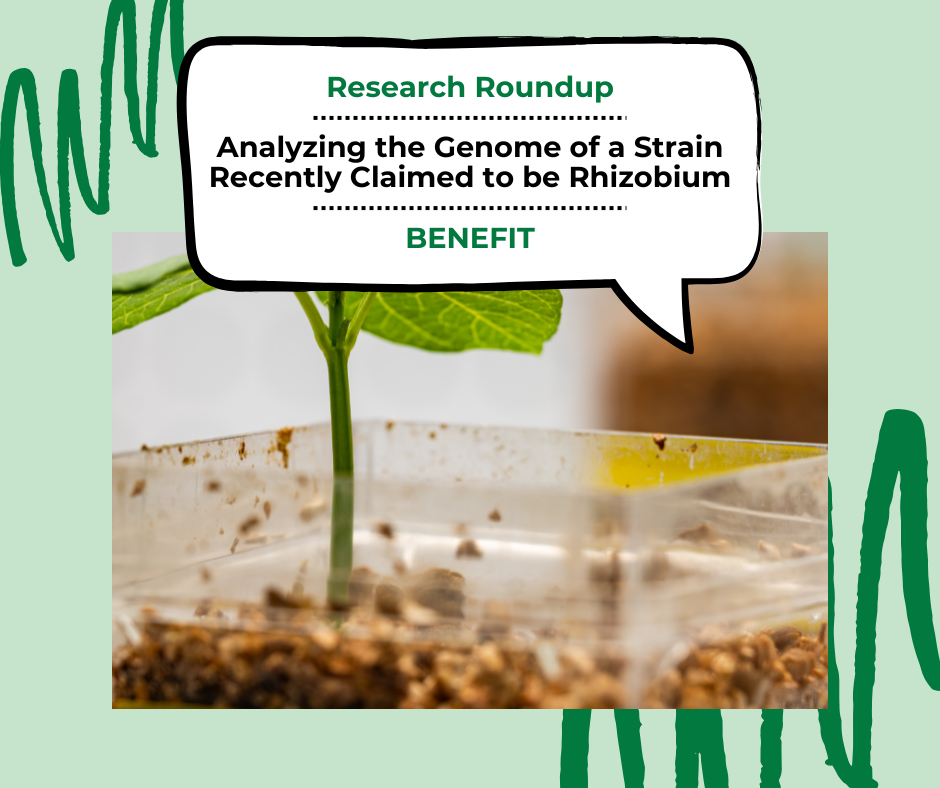
[Research Roundup] Analyzing the Genome of a Strain Recently Claimed to be Rhizobium by BENEFIT
This study by members of the Team BENEFIT takes a closer look at the genome of S. sediminicola, a strain recently claimed to be a rhizobium in 2023 by French researchers. In the study, the team ran controlled experiments to see whether this strain truly behaves like known rhizobia, with their results supporting the rejection of the recent claim. Keywords Bacteria Legumes Nitrogen Rhizobia Click […]
[Research Roundup] A New Way to Isolate Resting Muscle Stem Cells by Omics4CMeat
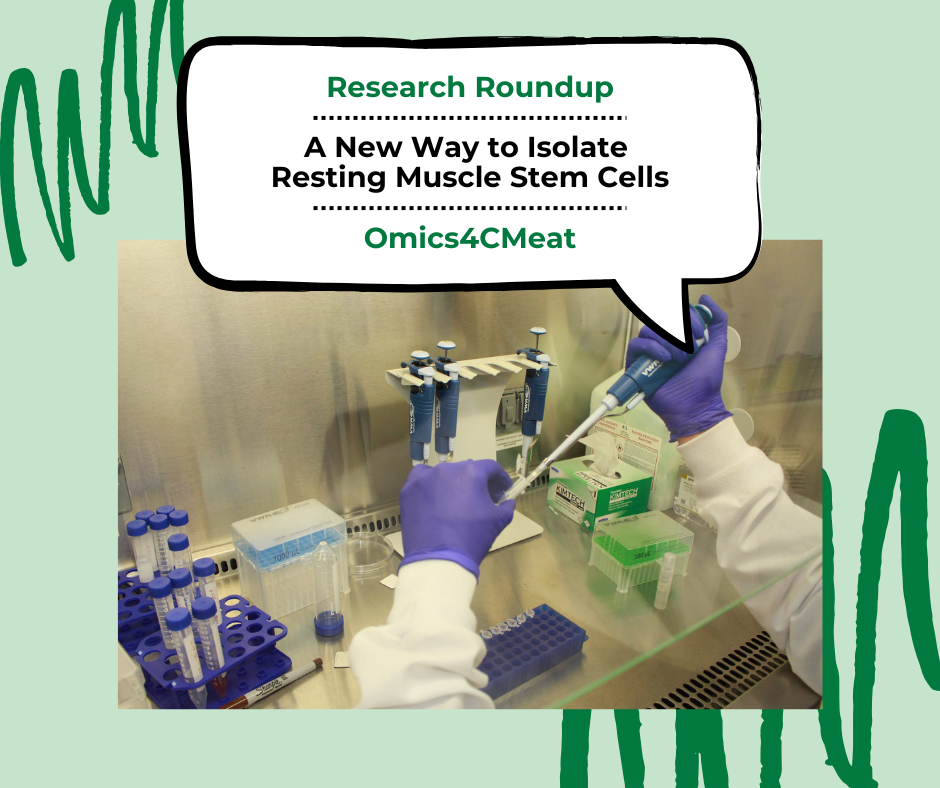
This study by Team Omics4CMeat explores how muscle stem cells, known scientifically as “satellite cells,” can be isolated and kept in a truly resting state. By controlling when these stem cells activate and grow, the research opens new possibilities for muscle repair, regenerative medicine, and cellular agriculture. Keywords Cell isolation Cellular agriculture Satellite cells (SCs) […]
Cultivating a Resilient Community: Co-Creating the Future of Climate-Smart Agriculture
Reflecting on the 2025 Cultivating Resilience Summit: Co-creating a climate-smart, inclusive future for Canada’s agri-food systems.